A fantastic opportunity to acquire a well-established and profitable tourism business offering unique guided self-drive adventures across Southern Africa. The Business specialises in carefully planned road trips through picturesque landscapes, historic towns and popular tourist destinations, providing customers with memorable travel experiences without the need for specialised vehicles or camping equipment. With an excellent reputation, established customer relationships, a loyal base of repeat travellers and consistently fully booked tours, The Business has positioned itself successfully within a specialised and attractive tourism market.
Operating since 2020, The Business benefits from an efficient, low-overhead operating structure, an extensive customer database, established touring routes and longstanding relationships with reliable tourism service providers. The Business enjoys strong cash flow and offers considerable potential for further growth through additional departures, expanded group sizes, new destinations and improved booking systems. This presents an exciting opportunity for a passionate individual, couple or established tourism operator seeking a profitable, lifestyle-oriented business with an established foundation and promising prospects for future expansion.
Fully describe the business's activities?
The Business is an established South African tourism operator specialising in organised, self-drive guided road trips through South Africa and selected neighbouring Southern African countries. Participants travel in their own vehicles, following an experienced tour leader along researched routes that showcase scenic back roads, rural towns, mountain passes, cultural landmarks and other places of interest. The offering combines the freedom of independent motoring with the planning, coordination and reassurance of an organised group journey.
Most itineraries are designed for conventional road-going vehicles rather than specialist 4x4 vehicles, making the trips accessible to a broad range of customers. Comfortable accommodation is arranged in advance, and the tour format generally does not involve camping. The Business undertakes itinerary research, customer marketing, enquiries and bookings, accommodation and supplier coordination, preparation of travel arrangements, communication with tour participants and the leadership of each trip. Its principal commercial offering is an organised travel experience rather than transport in a company-operated passenger vehicle.
How does the business operate on a daily basis?
Outside active touring periods, the day-to-day operation involves responding to enquiries, advertising upcoming departures, communicating with existing and prospective clients, taking and confirming bookings, arranging accommodation, checking itineraries and administering customer payments. Substantial advance preparation is required to align customer numbers, routes, overnight stops and supplier commitments.
During a tour, the Owner leads the convoy, coordinates daily departures and stops, communicates with participants and resolves operational matters as they arise. According to the owner, routine office activity is largely placed on hold while tours are underway. This one-person structure keeps staffing overheads relatively low, but creates a clear opportunity for a purchaser to introduce administrative assistance or an online booking system so that enquiries and reservations can continue during tour departures.
What Advertising/Marketing is carried out?
Marketing includes print advertising in relevant publications, social media promotion, Facebook posts and interactions, website information and direct email communication with contacts in the established database. Campaigns principally promote destinations, itineraries, departure dates, package inclusions and the convenience of guided self-drive travel. The current channels can be supplemented with more systematic email segmentation, online lead capture, search marketing and automated booking follow-ups, subject to an appropriate marketing budget and compliance with data privacy requirements.
What competition exists?
The owner considers direct competition in conventional-vehicle (4x2) guided road trips to be limited, while acknowledging that numerous operators organise 4x4 and off-road travel. The Business differentiates itself by allowing travellers to use ordinary vehicles and by emphasising organised itineraries and comfortable accommodation rather than technical off-road expeditions. More broadly, it still competes with independent road trips, escorted coach holidays, travel agencies and other leisure experiences. The asserted scarcity of direct competitors is the owner's view and would need an updated market review to verify.
How could the profitability of the business be improved?
The owner identifies increasing the number of tours, introducing additional destinations and accommodating more vehicles as potential areas of expansion. These ideas are supported by the reported strong demand for existing departures, although actual historical capacity and occupancy must be verified. Existing popular itineraries could be repeated where supplier capacity and operating requirements permit.
An improved booking and customer management system could reduce manual administration and avoid the interruption of enquiries while the owner is conducting tours. Part-time administrative assistance or an additional qualified tour leader could create further capacity. Other opportunities include negotiating accommodation rates, monitoring tour-by-tour margins, refining package pricing and expanding targeted digital marketing. Each initiative should be assessed against the extra staffing, supplier and operational costs it would incur.
Give a breakdown of staff/ functions/ length of service?
The Owner has operated The Business since 2020 and performs the principal functions of management, marketing, customer service, bookings, route development, accommodation coordination, financial administration and tour leadership. There is no independently staffed department or internal successor currently identified. A purchaser should obtain the tour schedules, standard communications, supplier contacts, database access and administrative procedures as part of a structured handover.
How involved is the Owner in running the business?
The Owner describes their involvement as “110%”, reflecting direct responsibility for virtually every operating function. This level of commitment has helped the business establish itineraries, supplier links and client relationships, but it is also a major acquisition consideration. A purchaser should budget time to learn route logistics, booking procedures, customer expectations and supplier arrangements. A formal transition and training arrangement with the owner would be advisable, subject to negotiation.
What are the trading hours?
The owner reports normal working hours of approximately 08h00 to 17h00 daily, with many days extending beyond these times. During tours, schedules depend on driving distances, departure times, activities and guest needs. An incoming owner should anticipate early starts, extended travel days and periods away from the office.
What are the main assets of the business?
The principal assets comprise the established tour itineraries and route knowledge, customer email database, supplier relationships, booking and administrative processes, business goodwill, brand and digital marketing presence, together with VHF two-way radios and magnetic vehicle strips. The intangible assets are commercially important because they support repeatable tours and direct marketing to interested travellers. A formal asset schedule should identify equipment quantities, ownership and condition, and should distinguish transferable records, accounts, intellectual property and customer permissions from knowledge held personally by the owner.
Strengths?
The owner identifies an established name, profitable operations, good cash flow, interesting and affordable tours, a large customer database, loyal repeat clients, established itineraries and systems, and fully booked annual departures as strengths. Together, these features suggest a differentiated specialist offering with an existing audience and experience in delivering its product. The advance-payment structure may support working capital and limit trade debtors. The claimed full occupancy, profitability and customer loyalty should be supported by booking records, financial statements and repeat-customer statistics. An additional structural strength is the modest requirement for dedicated premises and vehicles because guests drive their own cars.
Weaknesses?
The principal weakness identified by the owner is the cumbersome booking system. Manual handling of enquiries, confirmations and payments consumes time and makes operations more difficult when the owner is away leading a tour. A more integrated booking and customer management platform could simplify administration and improve responsiveness. A further acquisition consideration is the concentration of management, customer relationships, tour planning and tour delivery in one person. This dependence may limit expansion and makes a documented handover important.
Opportunities?
Opportunities identified by the owner include conducting more tours each year, adding further departures to popular itineraries, increasing the number of participating vehicles where practical, and introducing new destinations. There may also be scope to improve supplier purchasing terms, refine package pricing, use targeted marketing to reach new audiences, and implement a booking system that operates while tours are underway. Employing administrative assistance or an additional tour leader could increase operating capacity. None of these expansions should be assumed to generate profit automatically: each should be evaluated against supplier availability, customer experience, staffing requirements and direct tour costs.
Threats?
The principal threat identified by the owner is rising fuel prices. Because customers use their own vehicles, higher fuel costs increase the total holiday expense and can weaken demand even where fuel is excluded from the advertised package price. Other industry risks include changes in household discretionary spending, adverse weather, poor road conditions, exchange-rate movements on cross-border tours, border disruptions and travel requirements. The one-person operating structure also creates continuity risk if the tour leader is unexpectedly unavailable. Appropriate planning, pricing and insurance can help mitigate, but not eliminate, these risks.
What is the reason for the sale?
The proposed sale is driven by the Owner's personal and family circumstances and a desire to reduce the demands associated with running and personally leading an active touring business. The role involves extended travel, irregular working hours and considerable hands-on responsibility. The owner has indicated that the decision is not primarily motivated by disclosed dissatisfaction with the business's trading performance. An incoming owner with an interest in travel and tourism could continue the established programme, subject to a suitable handover and the normal commercial due diligence.



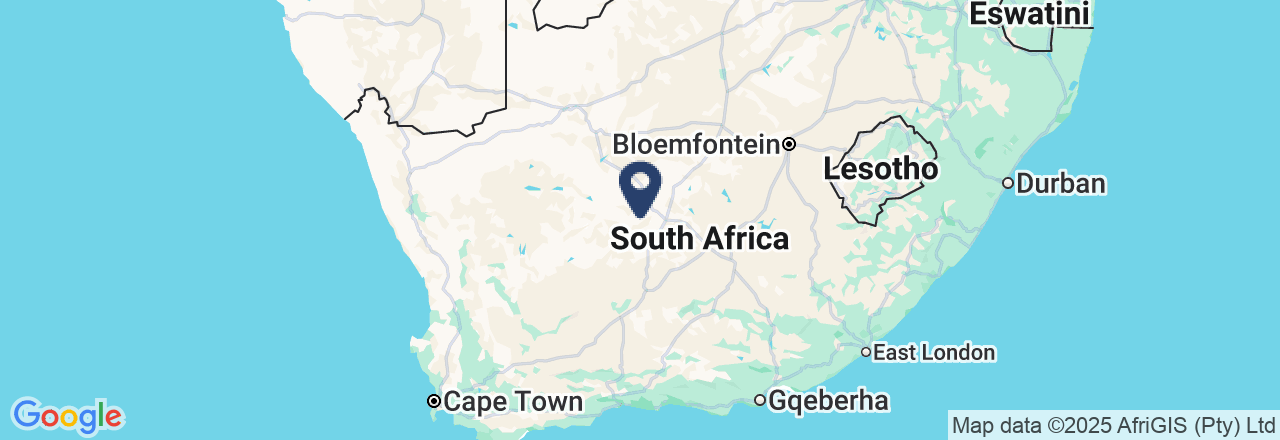
 South Africa, Gauteng