
Strategic Planning: Maximizing Profitability in Your Business
Strategic Planning: Maximizing Profitability in Your Business
Bronwen Barnard
07 October 2025
Summary
Strategic Planning: Maximizing Profitability in Your Business
Introduction
In today's highly competitive business landscape, strategic planning plays a vital role in determining the success and profitability of an organization. It involves the process of defining the long-term objectives of a company and devising a roadmap to achieve those goals efficiently. When implemented effectively, strategic planning can significantly enhance a business's ability to maximize profit and gain a competitive edge. In this article, we will explore the key elements of strategic planning that can help drive profitability in your business.
Setting Clear Objectives
A strategic plan begins with setting clear and measurable objectives that align with the overall vision of the company. These objectives should be specific, realistic, and time-bound. By defining precise goals, such as increasing market share, expanding into new markets, or improving operational efficiency, businesses can direct their resources and efforts toward achieving those targets. Clear objectives provide a sense of purpose and direction, facilitating effective decision-making throughout the organization.
Market Analysis and Competitive Intelligence
To maximize profit, businesses need to have a deep understanding of their target market and the competitive landscape. Conducting thorough market analysis and gathering competitive intelligence helps identify market trends, customer needs, and potential opportunities. By staying updated on industry developments, consumer preferences, and competitor strategies, businesses can make informed decisions on product/service offerings, pricing, marketing campaigns, and positioning, all of which are crucial for driving profitability.
SWOT Analysis
A SWOT (Strengths, Weaknesses, Opportunities, Threats) analysis is an essential tool for strategic planning. It helps identify the internal strengths and weaknesses of a business, as well as external opportunities and threats. By conducting a comprehensive SWOT analysis, companies can capitalize on their strengths, address weaknesses, exploit market opportunities, and mitigate potential threats. This analysis enables businesses to develop strategies that leverage their advantages, minimize vulnerabilities, and respond effectively to changes in the business environment.
Financial Planning and Resource Allocation
A key aspect of strategic planning for maximizing profitability is financial planning and resource allocation. This involves developing a realistic budget, projecting revenue and expenses, and ensuring optimal utilization of resources. By carefully allocating financial resources, businesses can prioritize investments that generate the highest returns and align with their strategic objectives. Efficient resource allocation minimizes wastage, enhances operational efficiency, and enables companies to make sound financial decisions that directly impact profitability.
Innovation and Adaptability
In a rapidly evolving business landscape, innovation and adaptability are critical for maintaining a competitive edge. Strategic planning should include a focus on fostering a culture of innovation within the organization. This involves encouraging creativity, investing in research and development, and continuously exploring new ideas and technologies that can lead to product/service enhancements or process improvements. By proactively adapting to market changes and embracing innovation, businesses can seize emerging opportunities and create new revenue streams.
Monitoring and Evaluation
Implementing a strategic plan is an ongoing process that requires constant monitoring and evaluation. Regularly tracking key performance indicators (KPIs), such as revenue growth, profit margins, customer satisfaction, and market share, enables businesses to assess the effectiveness of their strategies and make necessary adjustments. By analysing data and feedback, companies can identify areas of improvement, capitalize on successes, and address any deviations from the planned objectives. This iterative approach ensures that the strategic plan remains dynamic and aligned with the ever-changing business landscape.
Conclusion
Strategic planning serves as a roadmap for businesses to maximize profitability by aligning objectives, optimizing resources, and leveraging market opportunities. By setting clear goals, conducting market analysis, performing SWOT analyses, allocating resources wisely, fostering innovation, and monitoring progress, companies can navigate the competitive landscape effectively and drive sustainable growth. Remember, effective strategic planning is a continuous process that requires adaptability and a willingness to evolve. By embracing strategic planning, businesses can position themselves for long-term success and profitability.
Author: Bronwen Barnard
More Sellers Knowledge Bank
Get the latest information, valuable tips and share in the professional knowledge of business experts on selling a business

Why an Accurate Business Valuation Is Essential When Selling Your Business
Thinking of selling your business? Discover why an accurate business valuation is essential for setting a realistic asking price, attracting serious buyers, and understanding your business's true market potential. Learn how experienced professionals can help you determine what your business is worth.

What Actually Changes Hands When You Sell
What actually changes hands when you sell a business? Understand the assets, contracts, staff, premises and other elements that can form part of a business sale.

Not Every Offer Is a Real Offer
Not every enquiry from a potential buyer will lead to a genuine offer. Learn how sellers can identify serious buyers, protect confidential information and focus their time on buyers who are ready and able to proceed.

The Price Is Not the Deal
When selling a business, the price is only part of the deal. Payment timing, earn-outs, seller financing, warranties and other conditions can significantly change the value and risk of an offer. Before accepting a price, make sure you understand the terms behind it.

A Good Offer Is About What Is There and What Is Not
A good business offer is about more than what a business has today. Discover how buyers assess potential, what sellers can bring to the negotiation, and where hidden value can shape the deal.

Why Normalising Your Numbers Can Make or Break the Sale
Normalising your financials helps buyers see the true earning power of your business. Learn which adjustments can strengthen your valuation and which could undermine buyer confidence.

Cash in the Bank Is Not the Same as Cash You Can Use
A healthy bank balance can be misleading. Learn why some of your business cash is already committed and how understanding your available cash can help you make better decisions.
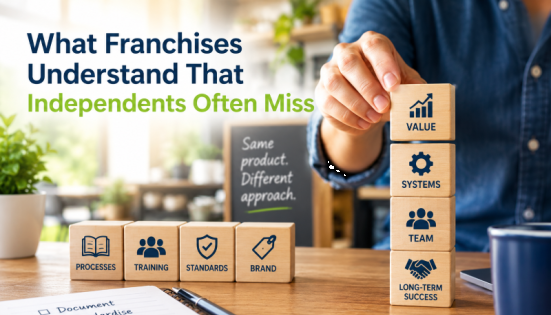
What Franchises Understand That Independents Often Miss
Franchises are built to operate beyond the founder. Discover how independent business owners can apply the same principles to create a more valuable, efficient and sellable business.

Hire the Expertise, Not the Headcount
Growing businesses often need senior expertise without being able to justify the cost of another full-time salary. Discover how fractional specialists and consultants can provide the skills, experience and guidance you need while keeping overheads under control and profits strong.

AI Will Not Save a Business That Has No System
AI can save time and improve decision-making, but it cannot fix a poorly organised business. Strong systems and reliable processes must come first if owners want technology to deliver real results.

The Right Time to Sell Is Before You Have To
The best time to sell a business is before you have to. Discover why early preparation, strong financials and reducing owner dependence can help you achieve a better outcome when the right buyer comes along.

When Growth Is the Thing That Breaks You
Growth is usually good news, but growing too quickly can put even healthy businesses under pressure. Learn why rapid growth can drain cash, expose weak systems and create problems, and how planning ahead can help your business grow sustainably.

Access to the number one business broking tool to get your business sold.
We've got you covered!
We offer an innovative and intuitive
solution for selling your business, franchise and premises

Promote
your business for sale

Reach
the right audience

Gain
more exposure

Latest businesses for sale
View our latest business listings and be the first to enquire

George based garden services business, over 200 gardens, 4 years in trading.
382,000
YNP - R 354,246

Jozi Pub Crawl – Established Johannesburg Event & Entertainment Business
500,000
YNP - R 500,000

Specialist lingerie and post-mastectomy practise situated in the Westrand
1,250,000
YNP - R 477,802


Profitable restaurant in Port Elizabeth beach front mall tourist area, seating over 120 diners.
4,580,000
YNP - R 1,287,090

PRIME OPPORTUNITY: Two, Fully Equipped Commercial Gyms for Sale as One Profitable Entity
3,500,000
YNP - R 0

Pizza & Pasta master franchise and outlet in Northern Suburbs of Johannesburg
2,045,000
YNP - R 1,129,567